


Published by
Jose Figueroa
Share


Fintech Nearshore Development: A Complete Guide for Leaders
- Nearshore Software Development
- Software Development
07 July 2026
US fintech firms face a 1.4 million engineer shortage that stalls new product launches and slows growth. These delays can cost firms millions in lost market share and late entry fees.
Ready to close your fintech talent gap fast? Book a Discovery Call and learn how nearshore teams get you to market 3-5x faster.
Fintech nearshore development provides a smart way for US firms to hire top engineering teams in Latin America. They can build, scale, and modernize their software products much faster.
By using AI-powered nearshore teams in similar time zones, fintech leaders scale 3-5x faster and avoid the cultural gaps or delays common with offshore work. These squads often start in just two weeks, which is much faster than the industry standard. They help firms meet legal rules while saving 30-50% on costs.
Market data shows the Latin American IT sector will grow by 10% each year through 2030 as more US firms move their work south to keep high security standards.
Fintech Nearshore Development: What Is Nearshore Software Development and Why Do Fintech Companies Choose It?
Nearshore software development is a model where US firms hire engineering teams in nearby Latin American countries that share the same time zones. Fintech companies choose this approach to build secure financial products faster, reduce costs by 30-50%, and access specialized talent while maintaining real-time collaboration that offshore models cannot deliver.
Nearshore software development is a model where a company hires engineering teams in nearby countries, usually within the same time zone. For US firms, this often means working with partners in Latin America. This approach differs from offshore models that use teams in distant regions like Eastern Europe or Asia. By staying close, teams avoid the delays caused by large time gaps. Fintech companies choose this path to build products faster and keep costs low without losing quality.
Solving the Time Zone Gap in Financial Tech
In the fintech world, speed and real-time data are vital. A nearshore development team works during the same business hours as the main office. This alignment allows for instant communication and quick fixes for live banking apps or trading tools. When a bug hits a payment portal, you cannot wait twelve hours for an offshore team to wake up. Nearshore teams in Latin America share Eastern and Central time zones, which helps teams solve problems as they happen. This close link ensures that software updates and security patches roll out without delay.
Studies show that moving work to nearby countries is a key way to reduce risks from global crises that disrupt long-distance supply lines. For fintechs, this means more stable operations. When engineers and product owners work at the same time, the pace of work speeds up. This real-time focus is a main reason why firms now pick nearshore partners over distant ones. It makes the daily workflow feel like the team is in the next room, even if they are in a different country.
Lowering Costs While Scaling Fintech Talent
Fintech firms face high costs when hiring local US engineers. Using a nearshore model can reduce engineering labor costs by 30-50% while keeping high standards. These savings let startups put more money into new features or marketing. Beyond just saving money, these regions offer deep skills in areas like blockchain and mobile wallets. Many fintechs find that these teams have high cultural fit and strong English skills, which makes the work go smoother.
Access to specialized talent is another big draw. Latin American teams share Western business habits, which helps them fit into a US company culture. This bond helps avoid the mix-ups that often plague offshore projects. Because these teams are only a short flight away, in-person meets are easy to set up when needed. This mix of lower costs and high skill levels allows fintech firms to scale their teams quickly to meet market needs. By picking a partner with a shared culture, firms get the best of both worlds: local feel and global savings.
How Do Nearshore Teams Handle Fintech Compliance and Security?
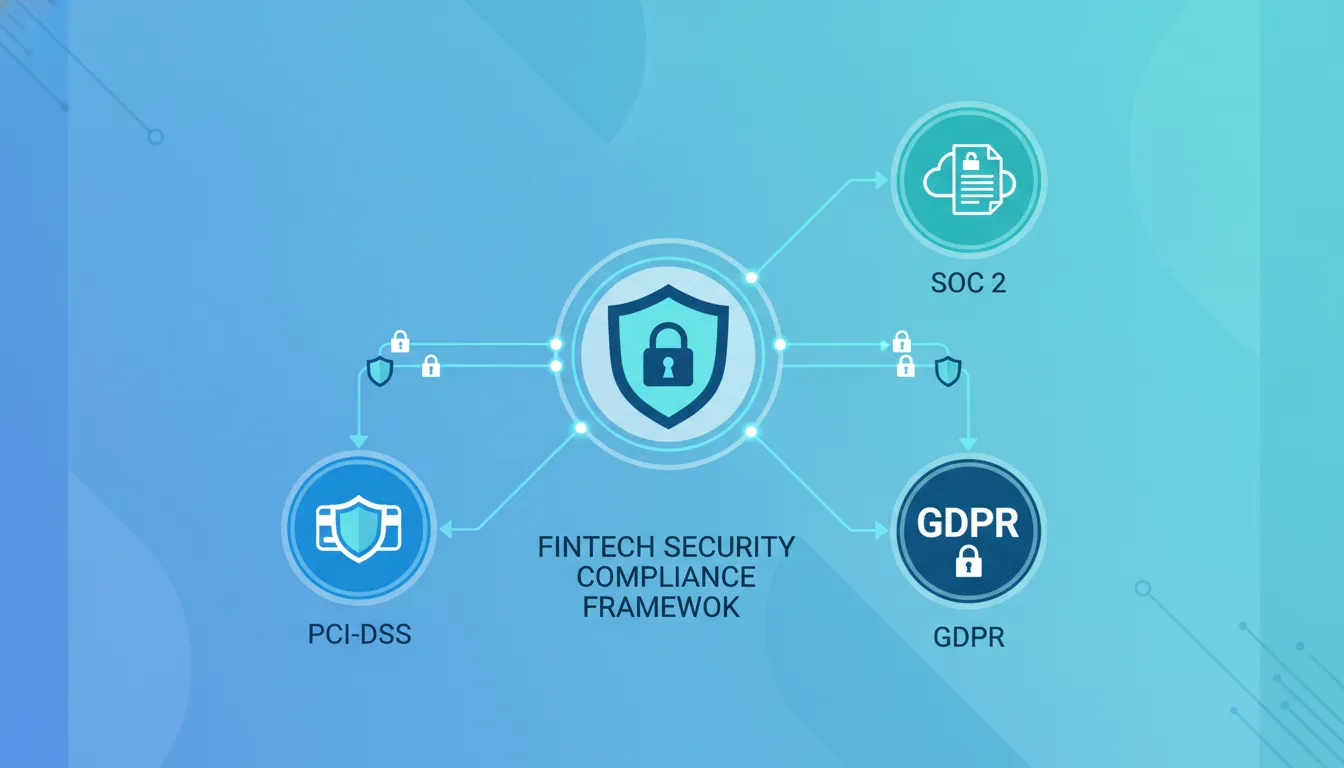
Nearshore development partners handle fintech compliance through rigorous adherence to PCI-DSS, SOC 2, and GDPR standards. They implement security-by-design with encryption, access controls, and continuous vulnerability testing, ensuring regulated financial products meet all legal requirements while maintaining development velocity.
Building a fintech product needs more than just clean code. You must also meet strict rules for data safety and privacy. Cyber attacks and leaks are steady threats for firms in this space. Because of this, fintech nearshore development partners must follow high standards for safety and rules.
Since IT is a core enabler of fintech innovation, your team needs to build systems that are both fast and safe. You cannot afford to ignore these needs when you scale. A good partner puts these rules first from day one to keep your product safe.
Meeting Global Standards
Fintech firms often handle sensitive user data and money. To do this safely, they must follow rules like PCI-DSS and SOC 2. PCI-DSS helps protect credit card data. It ensures that every part of the system keeps card numbers safe from theft. SOC 2 focuses on how you manage data based on five trust rules: security, availability, processing integrity, confidentiality, and privacy. Top nearshore partners provide certified and compliant practices that work well for these strict markets. These rules keep your business safe from legal risks.
GDPR is another vital rule for firms with users in Europe. It gives people control over their personal data. A good nearshore team knows how to build features that respect these privacy rights. This includes tools for data deletion and consent control to meet law needs.
- PCI-DSS compliance protects all credit card data across the payment chain
- SOC 2 certification covers security, availability, and confidentiality of client data
- GDPR readiness ensures user data rights for European customers
- ISO 27001 provides the framework for information security management
By choosing nearshore development teams that understand these systems, you can avoid big fines. You also build trust with your users. These teams help you stay safe while you scale your product.
Cloud Security and Infrastructure Control
Most fintech tools now run on the cloud. Because of this, cloud security is a top goal for any project. Teravision teams have deep knowledge of the best ways to set up cloud systems for safety. We use tools like AWS Identity and Access Management (IAM) to control who can see your data. IAM lets us give the right level of entry to each user. This limits the risk of a breach if one account is lost.
We also use AWS Key Management Service (KMS) to encrypt your data. Encryption turns your data into a code that no one can read without the right key. This keeps your records safe even if they are stolen. Our AI-Powered Dedicated Teams set up these tools early. This security-by-design approach ensures that safety is built into the base of your app. It is much easier to build it right the first time.
Proactive Testing and Risk Checks
Safe code needs steady testing. We use Static Application Security Testing (SAST) to check your code while it is being written. This helps us find flaws like weak passwords before the app even runs. We also use Dynamic Application Security Testing (DAST). DAST tests the app while it is running to find bugs that only appear in a live state. This gives you a full view of your risks.
Checking for code flaws in third-party parts is a key part of our work. Modern apps use many small pieces of open-source code. We check these parts to make sure they are safe. By doing this, we keep your fintech product strong.
A dedicated nearshore partner acts as an extension of your own team. They take full control of the safety process so you can focus on growth.
Why Is Latin America the Top Nearshore Hub for US Fintechs?
Latin America is the top nearshore hub for US fintechs because it offers overlapping time zones (EST/CST), 2-4 hour flight proximity. Strong cultural alignment with Western business norms, high English proficiency, and a rapidly growing IT sector projected to reach $126 billion by 2030. These factors enable real-time collaboration that offshore models cannot provide.
The US tech market faces a deep talent gap that threatens to slow down fintech growth. Current market data shows a major tech worker shortage that will hit 1.4 million roles by 2026. This lack of local staff makes it hard for fintech firms to build new features or scale their apps to meet user demand.
Latin America has become the top spot for nearshore development to bridge this gap. The IT services market in the region is growing fast, with a 10.1% CAGR. It is set to rise from $70.85 billion in 2024 to over $126.3 billion by 2030. This growth shows that the region has the scale and depth to support even the most complex financial platforms and data needs.
Real-Time Work With Shared Time Zones
Fintech apps need constant care, live data sync, and fast replies to market shifts. Nearshore teams in Latin America work in the same time zones as US-based firms. This EST and CST match lets your local team and your nearshore staff work side by side during the day. You can hold live stand-up meetings and fix key bugs as soon as they happen.
This real-time flow is a huge win for fintech innovation, which relies on fast and agile IT systems to stay ahead of the curve. Unlike old offshore models that create long lags, you do not have to wait for the next day to get an answer. This speed helps you ship code faster and keep your users happy.
Fast Travel and High Cultural Fit
Travel to Latin America is simple and quick for most US teams. Flights from Bogota to major US cities often take only two to four hours. This ease of travel makes it easy to host team workshops, kick-off meetings, or key planning tasks in person.
Beyond travel, the region shares many business traits with the US and Canada. Most tech workers have high English skill and use Western work habits that match your own. This cultural sync helps teams work well together and avoids the friction often found in distant teams. It cuts the risk of missed project goals or bad communication that can derail a launch.
A Focus on Local Fintech Growth
The region is not just a source of labor. It is a thriving hub for new ideas and tech firms. You can see this in the rise of fintech in Latin America, where local firms solve complex banking and payment issues.
This local tech boom means your nearshore team likely has first-hand past work with the latest financial trends and tools. They know how to build apps that are secure, stable, and easy for users to use. This deep niche skill is a core reason why so many US firms now look south to find their next group of elite tech workers. By hiring in LATAM, you gain more than just staff; you gain teams who know your field well.
Nearshore vs. US-Based Fintech Engineering: A Cost Comparison
Nearshore fintech engineering in Latin America costs 30-50% less than US-based hiring, with senior engineers at $50k-$90k annually versus $150k-$200k+ in the US. Combined with a 2-week ramp-up versus the industry average of 6-10 weeks, nearshore teams deliver faster scaling at significantly lower total cost.
The gap between tech talent supply and demand in the United States continues to grow. By 2026, the US faces a shortage of over 1.4 million developers. This lack of talent has pushed local pay to record highs. It makes it hard for fintech firms to scale fast. Choosing nearshore development teams helps firms manage these costs while finding top talent in Latin America.
Breaking Down Labor Costs
For most fintech firms, staff pay is the largest cost in the budget. A senior software engineer in the US often earns between $150,000 and $200,000. When you add taxes and perks, the total cost grows even more. In contrast, top Latin American engineers through a nearshore model often cost between $50,000 and $90,000 per year. This allows firms to reduce risks by using their budget for more builders. Our clients often see savings of 30% to 50% compared to US-based hiring. Some reports even show that total savings can reach 60%.
| Cost Factor | US-Based Engineering | Nearshore (LATAM) |
|---|---|---|
| Senior Engineer Salary | $150k - $200k+ | $50k - $90k |
| Time to Hire | 6 - 10 weeks | 2 weeks |
| Employee Benefits & Overhead | High (20-30% additional) | Flat monthly rate included |
| Contract Flexibility | Long-term commitment | Month-to-month, no lock-in |
| Time Zone Alignment | Full (US-based) | Full (EST/CST overlap) |
| Travel for On-Site Work | Local commute only | 2-4 hour flights |
Beyond the Hourly Rate
The full cost of a team involves more than just pay. Hidden costs in US hiring include long wait times and high turnover. It takes the average US firm 6 to 10 weeks to hire one developer. We can start a full team in just two weeks.
This speed helps drive fintech innovation because it lets you ship 3x to 5x faster. Flexibility also saves money over the long term. Direct hiring locks you into fixed costs that are hard to change if your plans shift. Our nearshore model uses month-to-month terms with no long-term ties. You only pay for the help you need now. This helps you keep your spend low while you grow your product.
The bottom line: nearshore fintech nearshore development delivers the same quality of work as an in-house team at a fraction of the cost. By moving to a nearshore model, you can use your budget for other areas like research and growth. You get top skills without the high price of a big city office.
How to Structure a Nearshore Fintech Development Team
Structuring a nearshore fintech team requires defining roles (backend, frontend, QA, DevOps, security), choosing between staff augmentation and dedicated squads. Implementing PCI-DSS and SOC 2 compliance from day one, and onboarding with shared tools and documentation. Teravision's 2-week ramp-up enables faster scaling than the market norm.
Building a strong team for fintech nearshore development takes careful planning and the right mix of talent. You must balance speed, cost, and safety to build a product that lasts. A good structure helps you build tools that can grow as your user base grows. Most fintech firms rely on IT systems that are highly scalable and adaptable to stay ahead in a fast market. Choosing a partner in Latin America helps you find this talent without the high costs of US hiring.
Finding the Right Skills
Your team needs a wide mix of tech skills to succeed:
- Backend engineers to build secure APIs and payment processing systems
- Frontend developers to create clean user interfaces for banking and trading apps
- QA testers to ensure the app is safe, fast, and works well for every user
- DevOps engineers to manage cloud infrastructure and deployment pipelines
- Security specialists to handle encryption, access controls, and compliance audits
In many cases, using staff augmentation can help you add these expert skills to your local team in days. This model lets you keep full control while you fill key gaps in your engineering group.
Choosing Your Work Model
You can choose how you want to work with your nearshore partner based on your goals. Some firms only need one or two extra coders to help with a set task. Others need a full, ready-to-work squad that can take over a whole project. Teravision provides AI-powered teams that work in your exact time zone. This makes outsourcing fintech scalability easier to run for busy CTOs. These teams often save you 30-50% on labor costs compared to hiring a full team in a major US city.
- Define your team needs. List every role you need, such as backend, frontend, and QA. Check which skills you have in-house and where you need help from outside experts.
- Choose your work model. Decide if you need a few extra hands or a full squad. Think about how much daily time your team has to manage the new workers.
- Set security rules. Make sure the team follows PCI-DSS and SOC 2 rules for data safety. Set up secure code reviews and strict data access from the first day.
- Start agile workflows. Use tools like Jira, Slack, or Zoom to stay in sync. Plan daily meetings that work for both teams using the overlap in your time zones.
- Onboard the new team. Share your code docs, style guides, and long-term goal lists. A clear start helps the team reach full speed and start shipping code in a short time.
Keeping Data Safe and Teams in Sync
Safety is the most vital part of any fintech product. Your nearshore team must follow the same security rules and laws as your local team. Nearshoring works best when teams share a time zone and the same work culture. This allows for real-time communication, fast fixes, and fewer delays in the development cycle. Our 2-week ramp-up helps you start your project quickly without the long wait and high cost of local hiring. By using AI-ready talent, you can build a team that is not just fast, but also smart and safe.
What Results Have Teravision's Fintech Clients Achieved?
Teravision's fintech clients have achieved measurable results including Versapay scaling to 16 nearshore squads over three years for AR automation. MoCaFi launching a secure digital banking platform for underbanked communities, and PrimaryBid building a capital markets platform. Teravision maintains a 95%+ client retention rate with over 20 years of experience.
Teravision Technologies brings over 20 years of work to the fintech sector. We help firms build and scale software products using nearshore talent. We keep more than 95 percent of our clients over the long term. This track record shows why top firms trust us as a partner. Many leaders now use tech as a core way to drive innovation in fintech today.
Scaling AR Automation With Versapay
Versapay needed to grow their accounts receivable automation tools at a fast pace. We provided 16 nearshore squads to help them meet this goal over three years of work. Each squad acted as a set part of their main team. This deep bond allowed them to update their core tools without slowing down. By choosing outsourcing fintech scalability, Versapay gained the speed needed to lead their market.
Our squads had engineers from Latin America who worked in the same time zones as the client. This match meant that teams could communicate in real time and solve problems fast. The result was a platform that could handle more deals as the company grew.
Digital Banking for Underbanked Users at MoCaFi
MoCaFi works to give banking tools to people in underbanked areas. They needed a partner to build a secure digital banking app from the ground up. We used AI-powered nearshore teams to speed up the build process. Our engineers handled tough tasks like payment flows and data safety. This work helped MoCaFi launch their app much faster than a local team could.
The nearshore model gave them elite talent without the high cost of hiring in the US. We set up teams that shared the same work culture and language as the client. This made it easy to plan new features and fix bugs. Our focus on clean code and safety made sure the app met all banking rules. MoCaFi was able to reach thousands of new users thanks to this technology partnership.
Building Capital Markets Infrastructure With PrimaryBid
PrimaryBid needed a strong platform for stock market deals. They turned to us to build their core technology for retail buyers. We focused on creating a system that could handle high trade counts without failing. Our team made sure the platform was both fast and easy to use. This project showed our skill in handling the high-stakes needs of the fintech world.
By using a nearshore model, PrimaryBid saved about 30 to 50 percent on their build costs. We ramped up their team in just two weeks to keep the project on track. Our engineers worked closely with their product heads to plan each feature. This close link helped the firm ship new updates every few weeks. The success of this platform has made PrimaryBid a major player in the capital markets space.
Our work with these firms proves the value of a nearshore partner. Each case study shows how we mix technical skill with a focus on business goals. With 180 engineers ready to help, we can scale any fintech project fast. We help you get to market three to five times faster than the usual industry standard. Read more about our capabilities on our blog.
Frequently Asked Questions
How quickly can a fintech company scale using nearshore development?
Nearshore models allow fintech firms to grow their technical teams very fast. Most companies can add new team members in about two weeks. This is much faster than the six to ten weeks usually needed for local hiring. According to The Flock, this speed helps businesses reach their goals sooner. Rapid growth is important for startups that need to go from twenty to over one hundred workers quickly.
Can nearshore teams handle complex fintech technologies like blockchain and AI?
Yes, nearshore regions in Latin America have many experts in new technologies. Engineers there have deep skills in areas like blockchain and artificial intelligence. These skills are perfect for companies that want to build better financial tools. Using these experts helps fintech firms stay ahead of their rivals. These teams are also trained in AI-ready methods to make work go faster while keeping quality high. This expertise helps firms build and scale their products with ease.
Does nearshore development ensure cultural alignment with US fintech companies?
Yes, nearshore teams in Latin America share many business practices with US firms. They speak English well and understand how Western companies work. This makes it easy for teams to communicate and work together without confusion. Nearshore hubs also sit in the same time zones as US cities. This allows for real-time work and fast replies. This match is a key reason why many US firms choose these teams to help build their software products.
Is nearshore development suitable for regulated fintech products?
Yes, top nearshore partners follow strict rules for safety and quality. They use secure methods that fit highly regulated financial environments. This includes following rules like PCI-DSS and SOC 2 to protect data. Many of these partners hold relevant security certifications. According to The Flock, these teams provide the secure practices that fintech products need to stay safe and follow the law.
Ready to build your fintech product with nearshore talent?
Every day you wait to hire for your fintech project is a day that your rivals use to gain a big lead in the market. Hiring in the US takes a long time and costs a lot of money that you could spend on growing your new technology business. You can avoid these high costs and long wait times by setting up a new software team in Latin America in just two weeks. Starting now means you can save fifty percent on your spend while you build a high quality product that your users will truly love.
Ready to book? Book a Discovery Call to talk to a nearshore software leader and find out how we can help you grow.
- fintech nearshore development
- nearshore software development
- fintech software engineering
- LATAM nearshore
Related Articles



Set up a Discovery Call with us today and start working with Teravision, a company with 20+ years of experience in the software industry and Development Centers in Mexico and Colombia



Dedicated Software Teams
Augmented Teams
What's the Difference